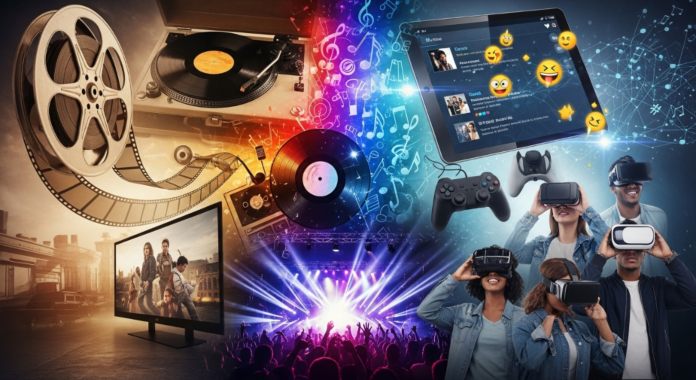
Streaming Content Licensing is the process through which digital platforms obtain legal rights to distribute movies, TV shows, music, and other media content. As streaming services like Netflix, Amazon Prime Video, Disney+, and others continue to dominate global entertainment, licensing has become the backbone of how content is shared, monetized, and controlled across platforms. It determines what users can watch, where they can watch it, and for how long content remains available.
How Streaming Content Licensing Works in the Digital Era
Streaming content licensing is essentially a legal agreement between content owners and streaming platforms. Content owners can be production studios, independent filmmakers, music labels, or distributors who hold the intellectual property rights to their media.
When a streaming platform wants to offer a movie or show, it must negotiate a licensing deal. This agreement specifies terms such as duration, geographical availability, pricing, and exclusivity. For example, a platform may secure exclusive rights to stream a popular series for a certain number of years in specific countries.
There are different types of licenses used in the industry. Exclusive licenses allow only one platform to stream the content, while non-exclusive licenses permit multiple platforms to host the same content simultaneously. Territorial licensing is also common, where content is available only in selected regions due to legal or commercial restrictions.
These agreements are carefully structured to balance profitability for content creators and value for streaming services.
Key Players Involved in Content Licensing Agreements
The streaming ecosystem involves multiple stakeholders. Content creators such as film studios, production houses, and independent artists are at the core, as they own the intellectual property. These rights holders decide how and where their content will be distributed.
Streaming platforms act as intermediaries that purchase or rent these rights to build their content libraries. Companies like Netflix, Hulu, and Amazon Prime Video invest heavily in licensing popular content to attract subscribers.
Distribution agencies and aggregators also play a major role. They help negotiate deals between creators and platforms, especially for smaller production companies that may not have direct access to global streaming services.
Legal teams and entertainment lawyers ensure that contracts are properly structured, protecting both parties from disputes over royalties, usage rights, and copyright infringement.
In recent years, competition among streaming platforms has increased dramatically, leading to bidding wars for popular shows and movies. This has made licensing both more expensive and more strategic.
Challenges in Streaming Content Licensing Industry
Despite its importance, Streaming Content Licensing comes with several challenges. One of the biggest issues is rising costs. As demand for exclusive content increases, licensing fees have skyrocketed. This makes it difficult for smaller platforms to compete with industry giants.
Another challenge is content fragmentation. Because different platforms hold exclusive rights to different shows and movies, users often need multiple subscriptions to access all their favorite content. This can lead to subscription fatigue among consumers.
Geographical restrictions also create limitations. A show available in one country may not be accessible in another due to licensing agreements. This inconsistency frustrates global audiences and often leads to demand for VPN usage to bypass restrictions.
Additionally, licensing agreements are temporary. When contracts expire, content can suddenly disappear from platforms, affecting user experience and platform loyalty. This unpredictability makes content planning difficult for streaming services.
Piracy is another major concern. When licensed content is restricted or expensive, users may turn to illegal sources, impacting revenue for both creators and platforms.
Future Trends in Streaming Content Licensing
The future of Streaming Content Licensing is evolving rapidly due to technology and changing consumer behavior. One major trend is the rise of original content production. Streaming platforms are increasingly investing in creating their own shows and movies to reduce dependency on external licensing.
Another trend is global licensing agreements. Platforms are negotiating broader deals that allow content to be distributed across multiple countries, reducing fragmentation and improving accessibility.
Artificial intelligence and data analytics are also playing a role in shaping licensing decisions. Streaming platforms analyze viewer behavior to determine which content is worth acquiring or producing.
Blockchain technology is expected to bring more transparency to licensing agreements by securely tracking ownership rights, royalties, and usage history. This could reduce disputes and streamline payments between creators and platforms.
Hybrid models combining licensing and ownership are also emerging. Some platforms are experimenting with partial ownership of content, allowing them to have long-term control while sharing rights with creators.
As competition continues to grow in the streaming industry, content licensing will remain a critical factor in shaping entertainment access worldwide. It will continue evolving to balance the interests of creators, platforms, and viewers in an increasingly digital and connected world.