Choosing the right table legs can completely transform the look, stability, and functionality of a dining table, yet this detail is often overlooked during the design process. Whether you’re building a custom table or replacing worn-out legs on an existing piece, understanding the various styles, materials, and structural considerations available can help you make a choice that balances aesthetics with long-term durability and everyday practicality.
1. Wooden Table Legs
Wood remains one of the most popular choices for dining tables due to its warmth, versatility, and ability to match a wide range of interior styles.
Solid oak, walnut, and maple table legs offer excellent durability while allowing for various finishes, from natural stains to painted designs that highlight the wood grain. This option works particularly well for farmhouse, traditional, or rustic dining room aesthetics where a warm, homey feel is desired.
2. Metal Table Legs
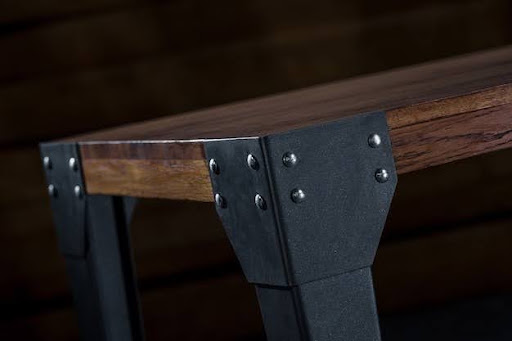
For a more modern or industrial look, metal table legs made from steel, iron, or aluminum have become increasingly popular in contemporary home design. These legs often provide superior strength and support, especially for larger tables, while adding a sleek, minimalist visual element that pairs well with glass or reclaimed wood tabletops.
Powder-coated finishes in black, brass, or matte white are common choices for achieving a polished, modern aesthetic that suits open-concept living spaces.
3. Hairpin Legs
Hairpin table legs have surged in popularity thanks to their minimalist, mid-century modern appeal. Made from thin metal rods bent into a distinctive angular shape, these legs are lightweight yet surprisingly sturdy when properly installed and anchored.
They work exceptionally well for smaller dining tables or spaces where an airy, open feel is desired rather than bulky, traditional support structures that can visually crowd a room.
4. Pedestal Base Legs
Rather than four individual legs, pedestal-style table legs use a single central support, often flaring out at the base for stability.
This design eliminates the issue of leg placement interfering with seating, making it a practical choice for round or oval dining tables where guests need unobstructed legroom on all sides, particularly during larger family gatherings.
5. Trestle Legs
Trestle-style table legs feature two vertical supports connected by a horizontal beam, creating a strong, traditional look often associated with farmhouse or rustic dining sets.
This design provides excellent stability for long tables while still allowing reasonable legroom, making it a practical option for family-style dining arrangements that need to accommodate bench seating.
6. Adjustable and Folding Legs
For those seeking practicality alongside style, adjustable or folding table legs offer added versatility, particularly for smaller homes or multi-purpose spaces.
These legs allow the table height to be modified or the entire structure to be folded away when not in use, making them ideal for apartments, home offices, or occasional dining setups where flexibility matters most.
Final Thoughts
Selecting the right legs involves balancing visual style with structural practicality, since the wrong choice can affect both the table’s appearance and its long-term stability. Whether you prefer classic wooden designs or modern metal alternatives, thoughtful consideration of your space, budget, and needs will help you find table legs that complement your dining area perfectly for years to come.