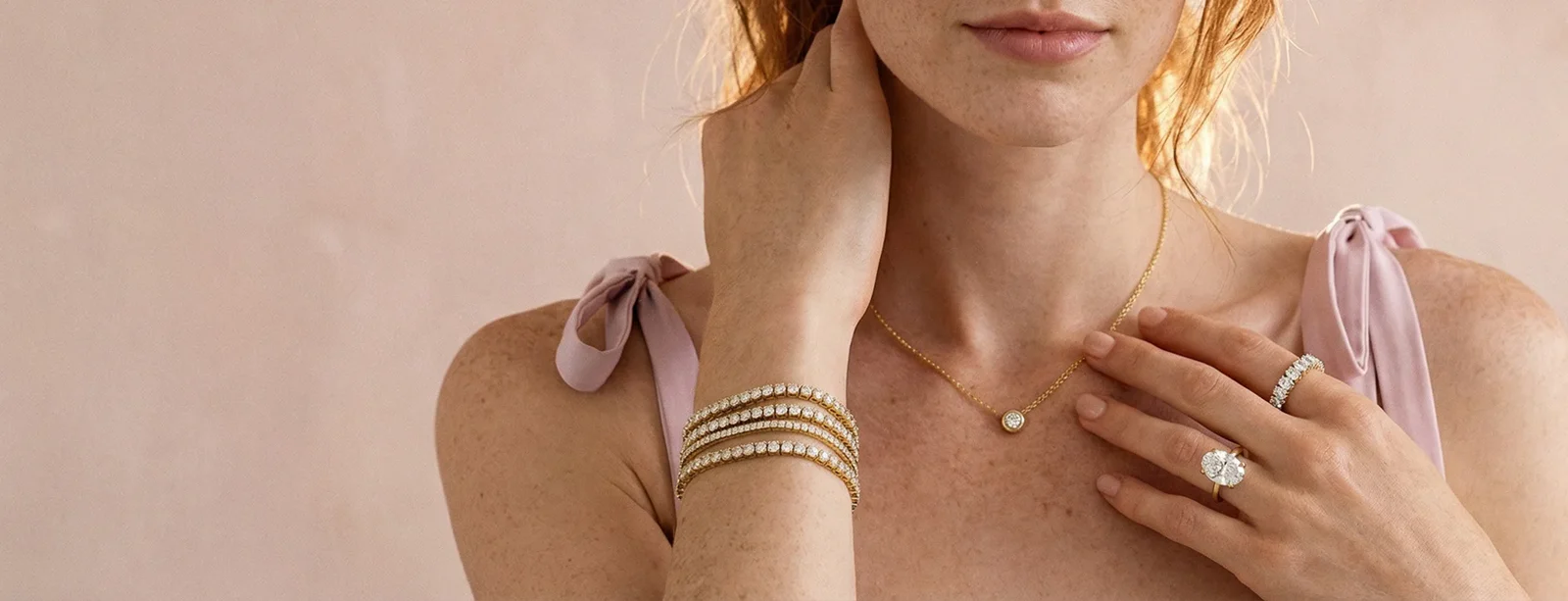
Engagement rings have always symbolised love, commitment, and personal style, but modern couples are looking for something more meaningful than tradition alone. Today’s buyers are increasingly conscious of where their jewellery comes from, how it is made, and the impact it has on the world around them. Ethical sourcing and sustainability are no longer niche concerns; they are shaping the future of fine jewellery.
This shift is exactly why Lily Arkwright has become such a respected name among contemporary jewellery buyers. Known for combining luxury craftsmanship with responsible practices, the brand offers engagement rings designed for people who want beauty without compromise. Their ethical engagement rings represent a modern approach to fine jewellery, where elegance and integrity work hand in hand.
Why Ethical Engagement Rings Matter More Than Ever
For many couples, an engagement ring is one of the most emotionally significant purchases they will ever make. Naturally, they want confidence that the ring reflects their values as much as their style. Ethical engagement rings provide that reassurance by prioritising responsible sourcing, sustainable materials, and transparent production methods.
Traditional diamond mining has long been associated with environmental disruption and ethical concerns surrounding labour practices. As awareness has grown, more buyers have started exploring alternatives that align better with modern values. Lab-grown diamonds and moissanite stones have become especially popular because they offer exceptional beauty while reducing many of the environmental and ethical issues linked to mined stones.
What makes this movement particularly compelling is that choosing an ethical ring no longer means sacrificing luxury or craftsmanship. Advances in gemstone technology have allowed ethical jewellery to rival and often exceed the brilliance and quality expected from traditional fine jewellery.
The Appeal of Lab-Grown Diamonds and Moissanite
One of the defining features of ethical engagement rings is the use of innovative gemstones. Lab-grown diamonds have transformed the jewellery industry by offering chemically and visually identical alternatives to mined diamonds. They possess the same sparkle, hardness, and durability, but are created in highly controlled environments with far less environmental impact.
Moissanite has also become a favourite among couples seeking brilliance and individuality. Its exceptional fire and sparkle often appear even more vibrant than a traditional diamond, making it ideal for those who want maximum visual impact. Some buyers are drawn to moissanite not only for ethical reasons, but because it offers a distinctive personality that feels less conventional.
Stone size preferences also play a role in purchasing decisions. A buyer may prefer a larger lab-grown diamond because it provides a striking appearance at a more accessible price point, while another may choose a smaller stone to maintain understated elegance for everyday wear. Ethical jewellery gives consumers greater flexibility to prioritise what matters most to them, whether that is size, sustainability, or design.
Craftsmanship Still Defines Luxury
While ethical sourcing is central to modern jewellery, craftsmanship remains equally important. A beautifully cut stone or responsibly sourced metal means little without expert design and attention to detail. High-end ethical jewellery brands focus heavily on precision setting, balanced proportions, and timeless aesthetics to ensure every piece feels luxurious.
This is where contemporary British jewellery design has gained strong recognition. Clean silhouettes, refined settings, and carefully selected precious metals allow ethical rings to feel sophisticated rather than trend-driven. White gold, platinum, yellow gold, and rose gold settings all offer distinct personalities, enabling couples to choose rings that genuinely reflect their tastes.
Another reason ethical engagement rings continue to gain popularity is longevity. Buyers are not simply investing in a fashion piece; they are selecting jewellery designed to remain meaningful and wearable for decades. Durability, comfort, and timeless design have become just as important as visual brilliance.
Transparency Creates Trust
Modern luxury consumers value transparency. They want to understand how products are made, where materials originate, and whether brands genuinely uphold responsible standards. Ethical jewellery brands that openly communicate their sourcing practices naturally build stronger trust with buyers.
This transparency also creates a more personal purchasing experience. Couples often feel more connected to their rings knowing the piece reflects thoughtful choices rather than outdated industry practices. Ethical engagement rings therefore become more than symbols of commitment; they represent conscious decision-making and modern values.
Final Thought
The rise of ethical engagement rings signals a meaningful evolution within the jewellery industry. Today’s couples are proving that luxury and responsibility can coexist beautifully. By combining refined craftsmanship, innovative gemstones, and transparent sourcing practices, ethical jewellery offers a compelling alternative to traditional engagement rings.
As consumer priorities continue to evolve, brands that embrace sustainability and authenticity are shaping the future of fine jewellery. Ethical engagement rings are no longer simply an alternative choice; they are becoming the standard for buyers who want their jewellery to feel as meaningful as the commitment it represents.