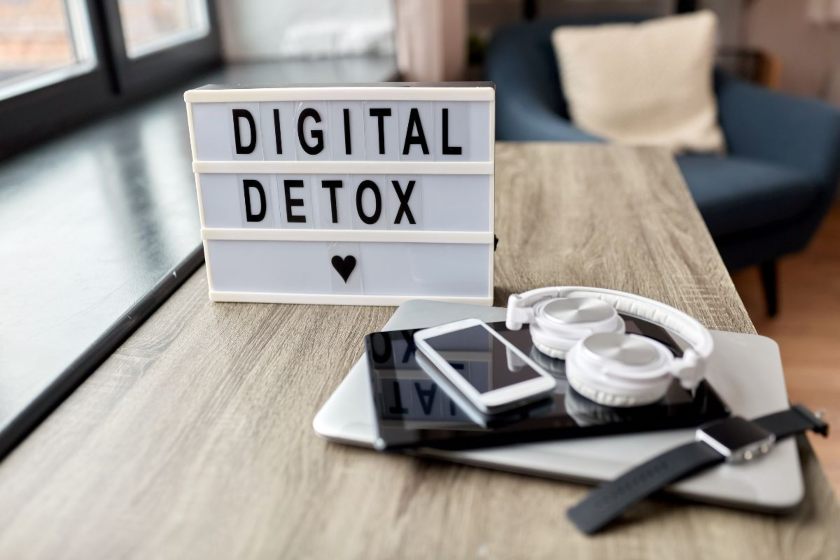
Digital Detox Lifestyle refers to the intentional practice of reducing or eliminating excessive use of digital devices such as smartphones, laptops, and social media platforms to improve mental clarity, emotional well-being, and overall quality of life. In an era where people are constantly connected, notifications, screens, and online interactions can easily become overwhelming. A digital detox helps restore balance between the digital and real world.
Understanding Digital Overload and Its Impact on Life
Modern life is heavily dependent on digital technology. From work communication to entertainment and social interaction, screens dominate daily routines. While technology offers convenience, excessive use can lead to digital overload, affecting both mental and physical health.
One of the most common effects is mental fatigue. Constant exposure to information, notifications, and social media updates can overwhelm the brain, reducing focus and productivity. Many people also experience anxiety or stress due to comparison culture on social platforms, where curated lifestyles create unrealistic expectations.
Physical health is also impacted. Long hours in front of screens can cause eye strain, headaches, poor posture, and disrupted sleep patterns. The blue light emitted from devices interferes with melatonin production, making it harder to fall asleep.
Socially, excessive digital use can reduce real-life interactions. People may become more isolated, preferring virtual communication over face-to-face connections, which can weaken relationships over time.
Benefits of Adopting a Digital Detox Lifestyle
A Digital Detox Lifestyle offers numerous benefits that positively affect mental, emotional, and physical well-being. One of the most noticeable improvements is enhanced focus. By reducing distractions from notifications and social media, individuals can concentrate better on tasks and improve productivity.
Mental clarity is another key benefit. Taking breaks from constant digital stimulation allows the brain to rest and reset, leading to improved decision-making and creativity. Many people report feeling more present and mindful during daily activities after reducing screen time.
Improved sleep quality is also a significant advantage. Limiting device usage, especially before bedtime, helps regulate sleep cycles and promotes deeper, more restful sleep.
Emotionally, a digital detox can reduce stress and anxiety. Without constant comparison and online pressure, individuals often feel more relaxed and content. It also encourages healthier self-esteem by shifting focus away from social media validation.
Additionally, real-life relationships improve as people spend more time engaging in face-to-face conversations and shared activities with family and friends.
Practical Ways to Implement a Digital Detox Lifestyle
Adopting a Digital Detox Lifestyle does not require completely abandoning technology; instead, it involves mindful and controlled usage. One of the simplest steps is setting screen time limits. Many devices now offer built-in features that track and restrict daily usage of apps and social media platforms.
Creating device-free zones is another effective strategy. For example, keeping phones away from dining areas or bedrooms encourages healthier habits and improves sleep quality.
Scheduling specific “offline hours” during the day can also help. This allows individuals to focus on work, hobbies, or relaxation without digital interruptions. Even short breaks from screens can significantly reduce mental fatigue.
Replacing screen time with offline activities is equally important. Reading books, exercising, cooking, or spending time outdoors can help restore balance and improve overall well-being.
Turning off non-essential notifications reduces constant distractions and helps maintain focus throughout the day. Many people find that simply limiting social media usage to certain times of the day makes a big difference.
Challenges and Future of the Digital Detox Lifestyle
While the Digital Detox Lifestyle offers many benefits, it can be challenging to maintain in a highly connected world. One of the biggest difficulties is dependency on digital devices for work and communication. Many professions require constant online presence, making it hard to disconnect completely.
Social pressure is another challenge. People often feel obligated to stay active on social media to remain connected with friends, trends, and professional networks. This can make detox efforts inconsistent.
Habit formation also takes time. Since digital usage is deeply integrated into daily routines, breaking the cycle requires discipline and gradual adjustment rather than sudden change.
Despite these challenges, awareness of digital wellness is increasing rapidly. Schools, workplaces, and wellness programs are beginning to promote healthy screen habits and mindfulness practices.
In the future, technology itself may support digital detox efforts. Many apps and devices are being developed with built-in wellness features that encourage breaks, track usage patterns, and promote healthier habits. Artificial intelligence may also help users manage screen time more effectively by suggesting personalized digital balance plans.
As society becomes more digitally dependent, the Digital Detox Lifestyle will play an increasingly important role in maintaining mental health and life balance. It is not about rejecting technology but about using it consciously and purposefully to enhance, rather than control, everyday life.